COVID Vaccine Harms: What the 2025 JPandS Review Argues
English Narration
At-Home Blood Spot • 6K Video Microscopy • $160

Short answer
The 2025 JPandS paper by Zywiec, McCullough and nine co-authors is a narrative review, not new research. It gathers 153 references arguing that modified mRNA vaccines produce persistent spike and mis-read proteins that drive cardiovascular, immune and reproductive harm. Several mechanisms it cites are well documented; several conclusions it draws go beyond what those studies show, and the journal isn't MEDLINE-indexed.
Key takeaways
- 1The paper is a narrative review in the Journal of American Physicians and Surgeons, which isn't indexed in MEDLINE and has an openly stated editorial viewpoint, so the framing is advocacy as well as analysis.
- 2Some underlying findings are solid: a 2023 Nature paper showed N1-methylpseudouridine can cause +1 ribosomal frameshifting, and multiple groups report spike protein detectable in blood or monocytes months after exposure.
- 3The 99-million-person GVDN cohort it cites did find elevated myocarditis and pericarditis signals after mRNA vaccines, and those signals appear in regulatory surveillance worldwide.
- 4Other citations don't match their sources: one cardiovascular meta-analysis reports no raised heart attack or stroke risk, and the autopsy review used as confirmation was withdrawn after publication.
- 5The reproductive, cancer and military-database sections rest on re-analyses, cell-culture work and billing-code surveillance, so they're hypothesis-generating at best.
In late 2025 a group of eleven physicians and researchers published a review in the Journal of American Physicians and Surgeons arguing that COVID-19 modified mRNA products have caused widespread systemic harm. It's been shared heavily. This article explains what the paper actually claims, where each claim comes from, and which parts hold up to a look at the underlying sources.
The point isn't to endorse or dismiss it. It's to show you how to read it.
What the paper is
The review is COVID-19 Injections: Harms and Damages, a Non-Exhaustive Conclusion, by Andrew Zywiec, Irene Mavrakakis, Peter McCullough, Nicolas Hulscher, Aaron Kheriaty, Paul Marik, James Thorp, Marivic Villa, Charles Rixey, Edward Macie and Abraxas Hudson, published in volume 30, number 3, pages 80 to 89.
Two things are worth knowing up front. First, it's a narrative review: it assembles and interprets other people's findings rather than reporting new data. Second, JPandS is published by the Association of American Physicians and Surgeons and is not indexed in MEDLINE. The venue doesn't decide whether a claim is right, but it does mean the cited sources have to do all the work.
Next step
Want complex vaccine research explained without the noise?
Explore our library of plain-English guides on spike protein, microclots, and post-viral recovery.
See the at-home testThe mechanistic claims
Ribosomal frameshifting
This is the review's strongest citation. To keep vaccine mRNA stable, manufacturers replaced uridine with N1-methylpseudouridine. In 2024, Mulroney and colleagues demonstrated in Nature that this modification causes +1 ribosomal frameshifting, and that cellular immunity to the frameshifted products occurs in mice and humans after BNT162b2 vaccination (Mulroney et al., 2024).
Picture a sentence where every word is three letters: THE CAT ATE THE RAT. Slip one letter and you read T HEC ATA TET HER AT. The output stops being the intended message.
What the Nature authors say next matters and is usually dropped in summaries: they state that no adverse outcomes from mistranslation of mRNA SARS-CoV-2 vaccines have been reported in humans, and they show that redesigning the slippery sequences reduces frameshifted products. The finding is real. The leap from "unintended proteins are produced" to "this is causing the harms described" is the authors' argument, not Mulroney's finding.
Spike persistence
The review argues that spike protein persists far longer than the original pharmacokinetic picture implied. This part has the most independent support. Patterson and colleagues reported S1 in CD16+ monocytes up to 15 months after infection (Patterson et al., 2022), and several groups have detected vaccine-derived material or spike antigen weeks to months after dosing. Our article on spike antibody versus antigen testing walks through what each of those studies measured and what detection does and doesn't prove.
Persistence of an antigen is not the same as persistence of harm. It's a plausible starting point for mechanism, which is why the spike amyloid and fibrinolysis research matters: it proposes a specific thing persistent spike fragments might do. Parallel research into lipid nanoparticle membrane dysfunction also examines how carrier components cause cellular stress independently.
Immune dysregulation
The review cites a systematic review by Rodríguez and colleagues covering 928 post-vaccination autoimmune cases, of which 81.5% were new onset, with immune thrombocytopenia, myocarditis and Guillain-Barré syndrome the most common new-onset conditions (Rodríguez et al., 2022). That paper is a case-based literature review: it describes reported cases, not incidence, and it can't establish how often these events occur per million doses.
It also cites IgG4 class switching after repeated boosters (Uversky et al., 2023), itself a hypothesis-driven paper proposing that the shift may generate immune tolerance.
A Florida cohort of 817 vaccine-injured retirees supplies several striking percentages in the review, including autoimmune markers in roughly 75% of patients. Checking the reference list, those figures are attributed to unpublished preliminary observational outpatient clinic data from a single private clinic. Unpublished single-clinic data in a self-selected patient group cannot support population-level conclusions, and the review doesn't frame it that way.
The epidemiological claims
What the large cohorts found
The Global Vaccine Data Network study of 99 million vaccinated people is real and widely cited. It identified elevated observed-to-expected ratios for myocarditis and pericarditis after mRNA vaccines, and for Guillain-Barré syndrome and cerebral venous sinus thrombosis after viral vector vaccines (Faksova et al., 2024). Those myocarditis and pericarditis signals are not contested; they appear in regulatory safety reporting worldwide. Whole-body imaging of lipid nanoparticle biodistribution later demonstrated in mice that mRNA-carrying nanoparticles reach heart capillary walls, providing a potential biological mechanism for localized cardiac inflammation.
Where a citation doesn't match its source
The review attributes to a Bayesian meta-analysis a 286% increased risk of myocardial infarction after dose two and a 240% increased risk of stroke after dose one. The published paper reports something different. Karimi and colleagues found an association with coronary artery disease risk, and explicitly state that no increased risk of heart attack, arrhythmia or stroke was observed after COVID-19 vaccination, with a protective effect on stroke and myocardial infarction after the third dose (Karimi et al., 2025).
That's a substantial mismatch between a review's summary and its source. It's also the single best argument for reading the primary papers rather than the review.
The autopsy series
The review leans on an analysis of 325 autopsy cases as pathological confirmation of vaccine-induced mortality. The version of that systematic review published in Forensic Science International in 2024 was withdrawn, and an earlier preprint posting was also retracted. Whatever one makes of the underlying case material, a retracted source can't function as confirmation of anything, and the review doesn't tell readers it was retracted.
Military database figures
Defense Medical Epidemiology Database comparisons are presented as showing large elevations in myocarditis, pulmonary embolism, clotting defects and certain cancers. DMED counts medical billing codes. Coding practice, care-seeking behaviour, deployment patterns and the choice of baseline years all shift those numbers, and the Department of Defense has disputed earlier analyses on data-quality grounds. Treat these as a signal that warrants investigation, not as a measurement of incidence.
The cancer argument
The review assembles a multi-hit model: T-cell exhaustion, IgG4 class switching, spike S2 interference with p53, and residual plasmid DNA.
The p53 element is worth looking at closely, because it's frequently overstated. Zhang and El-Deiry examined spike, p53 and MDM2 in cancer cells and found that spike interrupts the p53-MDM2 interaction and suppresses p53 transcriptional activity, but they explicitly did not detect spike bound to p53 in cells (Zhang & El-Deiry, 2024). It's a cell-culture study of transfected spike, offering a potential molecular mechanism. It is not evidence that vaccination causes cancer in people.
The "turbo cancer" clinical pattern the review describes rests on clinician observation rather than registry data. Cancer registries take years to settle questions of incidence, and that work hasn't been done.
Reproductive claims
The review summarises re-analyses of the Shimabukuro pregnancy data and figures from Pfizer's post-marketing documents. These re-analyses are contested in the literature, and the denominators and follow-up windows are exactly where the disagreement lives. We're not going to reproduce percentages that depend on contested denominators.
One cited finding is straightforwardly published: Lin and colleagues reported evidence of vaccine mRNA in placental and cord blood samples (Lin et al., 2024). Detection of mRNA is a measurement. What it implies clinically is a separate question that study doesn't answer.
How to grade the review's claims
| Claim | What the underlying evidence supports |
|---|---|
| m1Ψ causes +1 frameshifting | Demonstrated in Nature; authors report no adverse human outcomes from it so far |
| Spike persists for months after exposure | Multiple independent detections; see spike persistence testing |
| Myocarditis signal after mRNA vaccines | Well documented in large cohorts and regulatory surveillance |
| Spike alters fibrin clot behaviour | Shown in vitro; see Spike685 and fibrinolysis |
| Specific cardiovascular risk multiples | At least one cited source reports different conclusions |
| Autopsy confirmation of causation | Key source withdrawn after publication |
| Florida cohort percentages | Unpublished single-clinic observational data |
| Cancer causation | Cell-culture mechanisms only; no registry evidence |
What's actually useful here for patients
Strip away the framing and a few things remain worth taking seriously. Spike protein persistence is documented. Spike-derived amyloid fibrils can change how fibrin clots behave, at least in purified systems, which our walkthrough of how neutrophil elastase generates those fragments explains from the start. Amyloid-positive microclot material has been reported in both Long COVID cohorts and a small post-vaccination cohort. People with persistent symptoms after infection or vaccination deserve objective workup rather than dismissal.
None of that requires accepting the review's broader conclusions. It just means the underlying biology is a legitimate research area, which is also why the field is actively developing alternatives to lipid nanoparticle delivery.
What to do with symptoms
If your routine labs came back normal and your symptoms haven't, the productive route is more measurement, not more argument. That means inflammatory markers, coagulation markers, autoantibody screening, and a documented timeline of exposures and symptom onset. Our comparison of D-dimer versus microclot testing explains why standard clotting panels can look fine while amyloid-positive microclots are present, and the free symptom screener is a starting point for organising what you're experiencing.
Our pillar guide to amyloid fibrin testing explains what that kind of microscopy can and can't establish. Our at-home amyloid test contributes one objective observation to the picture: what Thioflavin T fluorescence microscopy sees in a dried blood sample. It's laboratory observational data for informational and research purposes, not a diagnosis, not a medical device, and not a measure of spike protein. Take any result to a clinician who can read it against your full history, and if you need one, the doctor directory lists practitioners working in this area.
Frequently asked questions
Is JPandS a peer-reviewed medical journal?
It's peer reviewed by its own description, but it isn't indexed in MEDLINE or PubMed, and it's published by the Association of American Physicians and Surgeons, an advocacy organization. That doesn't automatically make an article wrong, and many of the underlying studies it cites appeared in Nature, Vaccine and other indexed journals. It does mean the review itself carries less independent scrutiny than a paper in a mainstream journal.
Does mRNA frameshifting mean the vaccine makes random proteins?
The 2023 Nature study by Mulroney and colleagues showed that N1-methylpseudouridine can make ribosomes slip into the +1 reading frame, producing off-target protein products, and that some vaccinated people had T-cell responses to those products. The authors reported no evidence of harm from them and noted the problem can be designed out. The JPandS review treats these products as a likely source of disease, which goes further than the Nature data.
How long does spike protein stay in the body after vaccination?
Estimates vary and the methods disagree. Patterson's group reported S1 protein in CD16+ monocytes up to 15 months after infection, a 2023 Proteomics study detected recombinant spike in some vaccinated people's blood, and a 2025 Yale preprint reported circulating spike in a subset of people with chronic symptoms long after vaccination. These are small studies with assay limitations, and no routine clinical test measures spike persistence.
Do the big percentage increases mean my own risk is that high?
No. Percentages like a fivefold increase are relative risks measured against a very low baseline, so they say nothing about how likely an event is for you. Post-vaccine myocarditis is concentrated in young males after a second dose and is usually mild, and COVID-19 infection itself also raises myocarditis risk. Judging personal risk needs absolute numbers per 100,000 doses by age and sex.
Where does the review overstate its sources?
Three places stand out. A Bayesian meta-analysis it cites for raised heart attack and stroke risk actually reports no such increase after vaccination. The 325-case autopsy analysis it treats as confirmation of causation was withdrawn after publication. And the striking Florida clinic percentages come from unpublished single-clinic observational data, which can't support population-level claims.
Sources
- COVID-19 Injections: Harms and Damages, a Non-Exhaustive Conclusion. Journal of American Physicians and Surgeons, 2025
- N1-methylpseudouridylation of mRNA causes +1 ribosomal frameshifting. Nature, 2023
- COVID-19 vaccines and adverse events of special interest: A multinational Global Vaccine Data Network (GVDN) cohort study of 99 million vaccinated individuals. Vaccine, 2024
- COVID-19 Vaccination and Cardiovascular Events: A Systematic Review and Bayesian Multivariate Meta-Analysis of Preventive Benefits and Risks. International Journal of Preventive Medicine, 2025
- Persistence of SARS-CoV-2 S1 Protein in CD16+ Monocytes in Post-Acute Sequelae of COVID-19 (PASC) up to 15 Months Post-Infection. Frontiers in Immunology, 2022
- Immunological and Antigenic Signatures Associated with Chronic Illnesses after COVID-19 Vaccination (preprint). medRxiv, 2025
- Autoimmune and autoinflammatory conditions after COVID-19 vaccination. New case reports and updated literature review. Journal of Autoimmunity, 2022
- Transfected SARS-CoV-2 spike DNA for mammalian cell expression inhibits p53 activation of p21(WAF1), TRAIL Death Receptor DR5 and MDM2 proteins in cancer cells. Oncotarget, 2024
- Transplacental transmission of the COVID-19 vaccine messenger RNA: evidence from placental, maternal, and cord blood analyses postvaccination. American Journal of Obstetrics and Gynecology, 2024
- IgG4 Antibodies Induced by Repeated Vaccination May Generate Immune Tolerance to the SARS-CoV-2 Spike Protein. Vaccines, 2023
- Detection of recombinant Spike protein in the blood of individuals vaccinated against SARS-CoV-2: Possible molecular mechanisms. Proteomics Clinical Applications, 2023
At-Home Amyloid Test
Want complex vaccine research explained without the noise?
Explore our library of plain-English guides on spike protein, microclots, and post-viral recovery.
Next steps
- Post-Vaccination Syndrome: Symptoms, Duration and the Spike ResearchPost-vaccination syndrome symptoms, how long it can last, and what spike persistence, spike amyloid fibrils and microclot studies show about the cause.
- Post-Vaccination Microclots: What the Spike-Fibrin Research ShowsWhat research says about microclots after mRNA vaccination: the shared spike sequence argument, the PV/PIS cohort findings, and where the evidence stops.
- Amyloid Fibrin Test: How Fibrin Amyloid Microclots Are DetectedWhat an amyloid fibrin test is, how Thioflavin T microscopy spots fibrin amyloid microclots, how it differs from D-dimer, and what it can't tell you.

Tim Ottowitz
Founder & Research Lead
Tim Ottowitz founded Amyloid Test and writes its Science Hub, turning fibrin amyloid and spike protein research into plain-language guides that stay close to the published evidence.
Keep reading
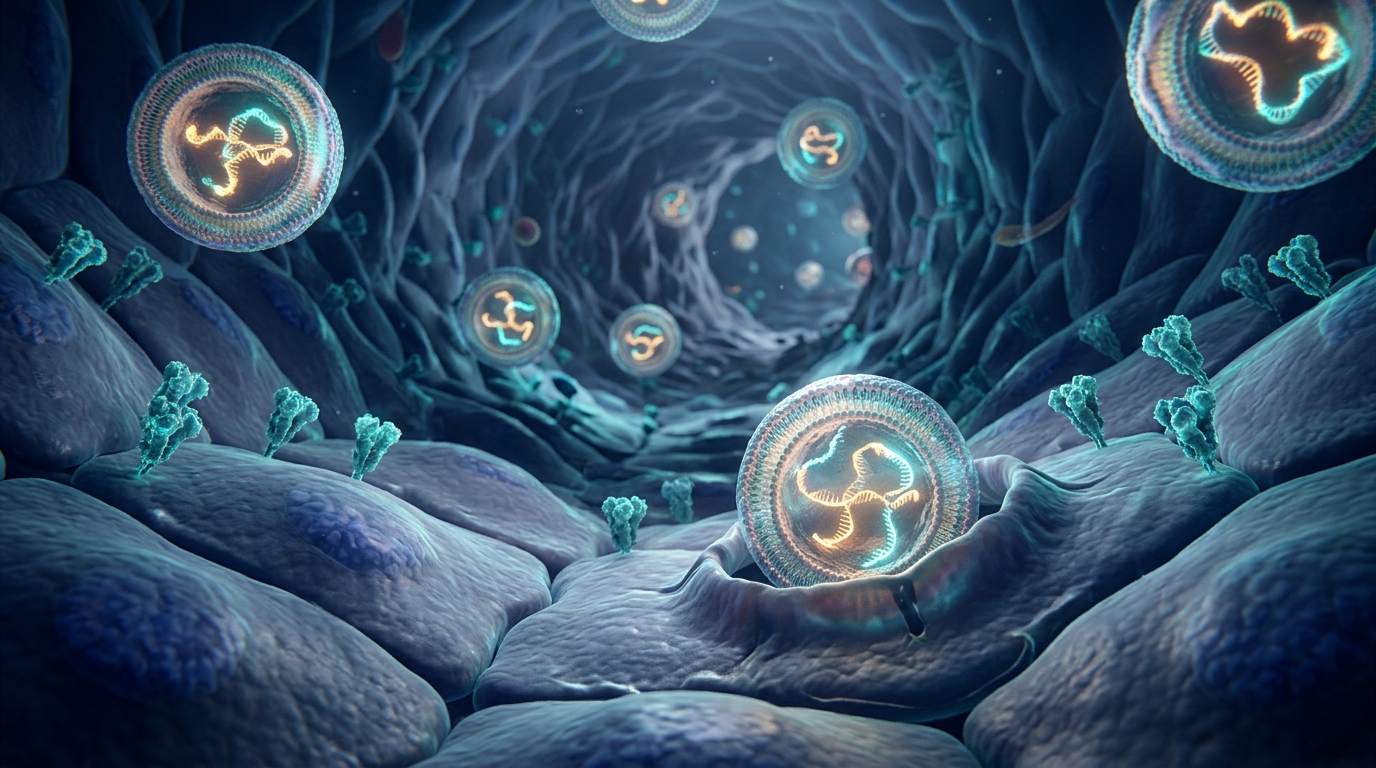
Lipid Nanoparticle Biodistribution: Where mRNA Goes in the Body
A plain-English guide to lipid nanoparticle biodistribution research, showing how whole-body imaging tracks mRNA delivery to heart capillaries.
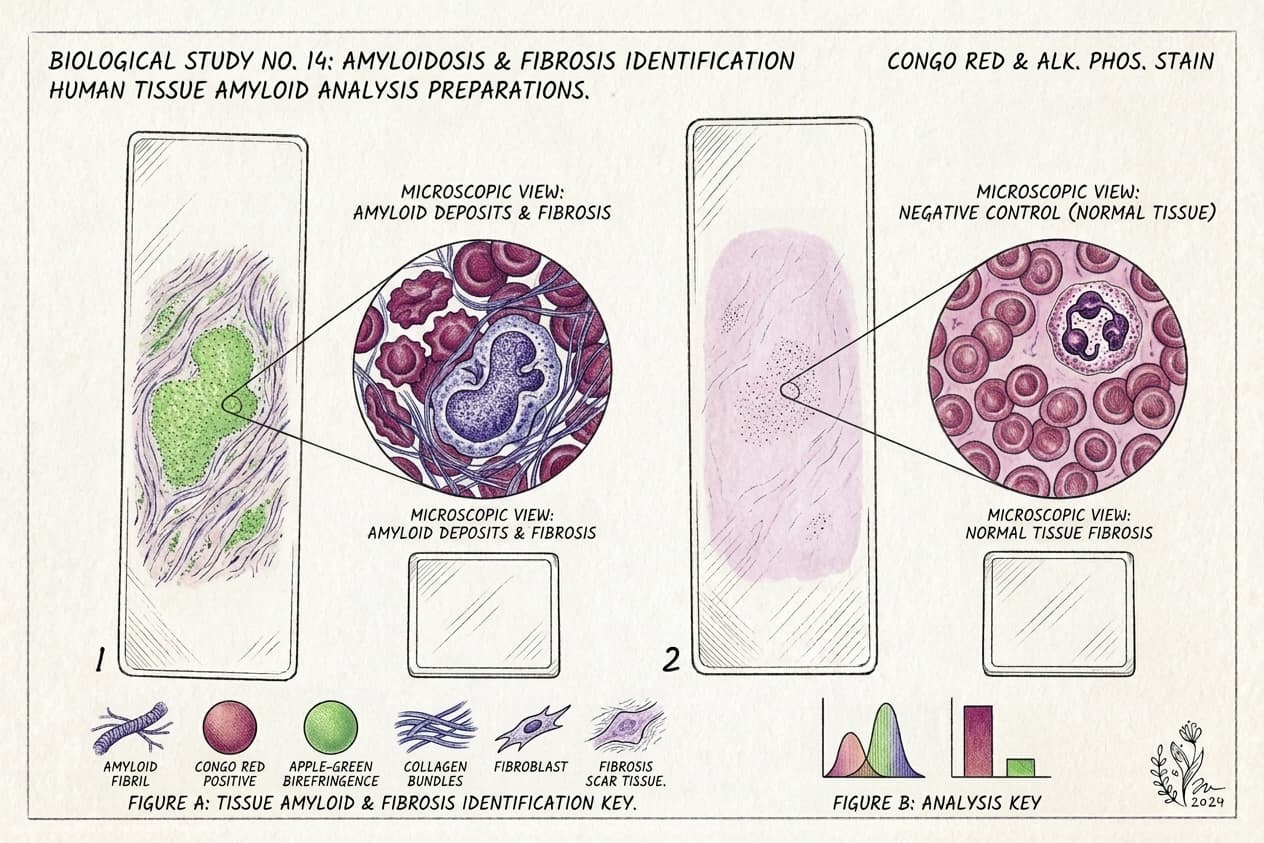
Amyloid-Beta Antimicrobial Peptide: Amyloid as an Immune Defense
Is amyloid-beta an antimicrobial peptide? How amyloid works as immune defense, what Meytal Landau's lab showed, and where spike protein fits in.
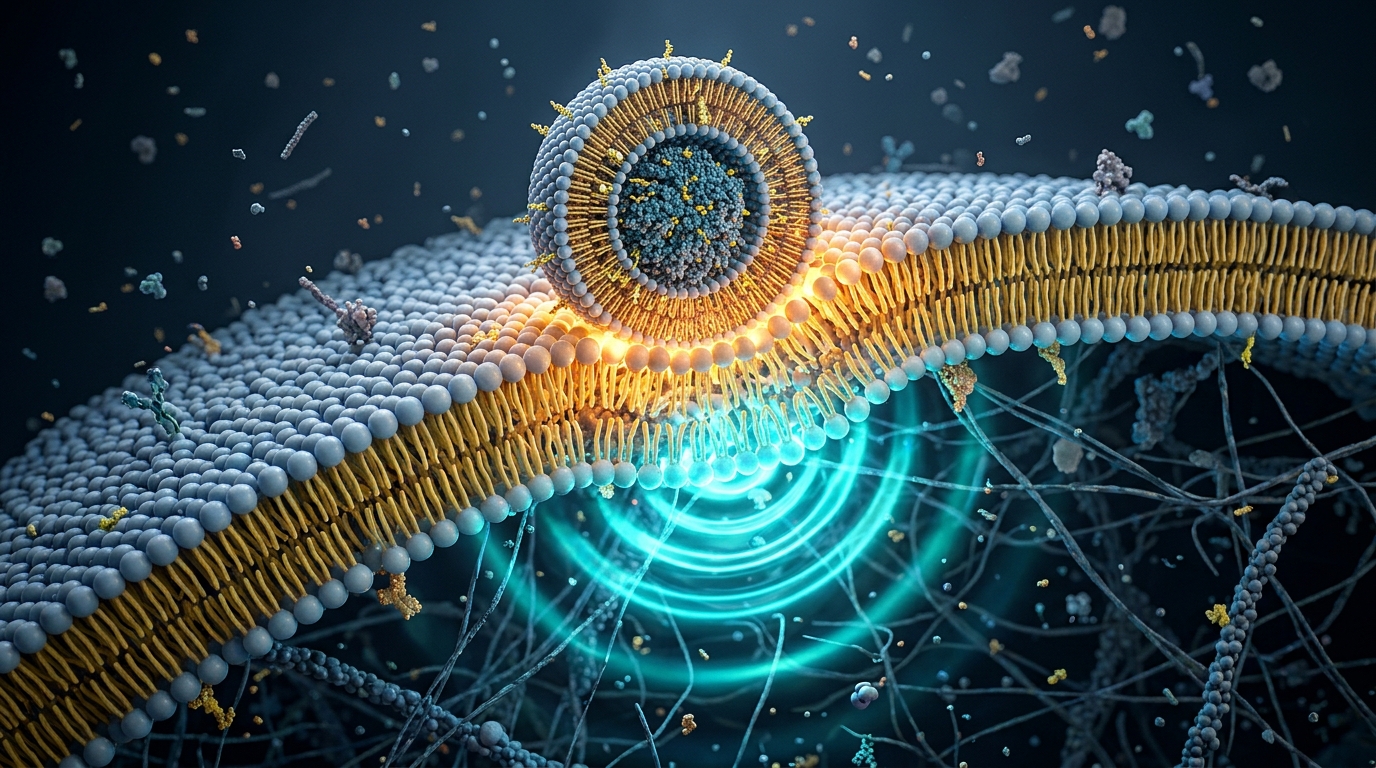
Lipid Nanoparticle Membrane Dysfunction: What the Omics Data Show
A plain-English guide to lipid nanoparticle membrane dysfunction, explaining how ionizable lipids alter cell signaling, metabolism, and membranes.